Radiographs
Record the body area, number of views and why the images were ordered.

An X-ray claim starts with why the radiograph was ordered, then follows every invoice component through the policy.
Use these checkpoints to frame the literal question before reading the full guide.
Pet insurance may cover diagnostic X-rays when they are medically related to an otherwise eligible covered accident or illness. Routine screening, sedation, repeat imaging and other line items can require separate analysis.
The sections below show how to verify the answer and what can change it.
Begin with the veterinary reason for the X-ray. A radiograph ordered to evaluate a covered injury or illness is a different insurance question from routine or elective screening. The policy must first recognize the underlying condition and the diagnostic service as eligible.
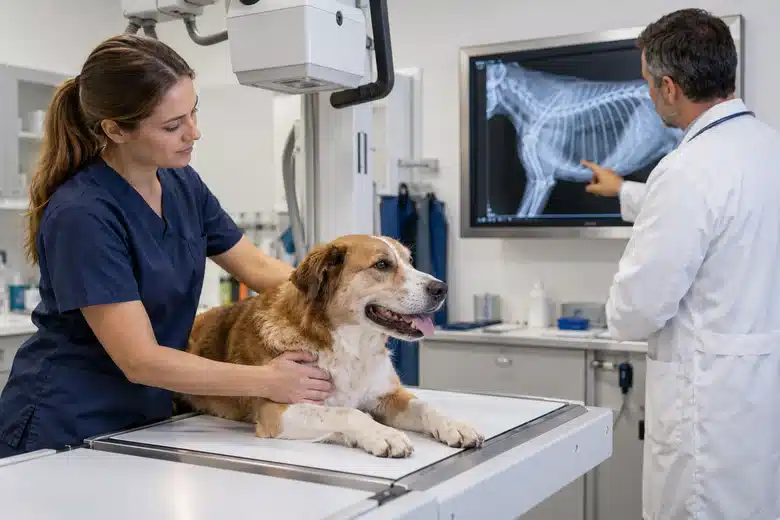
Record the body area, number of views and why the images were ordered.
Treat it as a separate charge and verify when it is considered eligible.
Document why additional views were medically necessary rather than assuming the first authorization covers every repeat.
Check whether specialist review or follow-up exam charges are separate expense categories.
| Invoice component | Evidence to match | Policy question |
|---|---|---|
| X-ray series | Itemized charge + clinical note | Is diagnostic imaging an eligible expense for this covered condition? |
| Sedation | Medication/anesthesia line item | Is sedation associated with an eligible procedure covered or excluded? |
| Second set of images | Repeat order + medical reason | Does the later imaging meet the same eligibility requirements? |
| Routine screening image | Preventive/screening context | Is routine screening included or outside the accident-and-illness benefit? |
Ask the clinic for an itemized estimate before a planned imaging visit when possible. It can reveal separate charges for the examination, imaging views, sedation, contrast, interpretation or follow-up. Even if the policy ultimately groups some charges together, the itemization makes the coverage review auditable.
For emergency imaging, preserve the emergency note that explains why radiographs were medically necessary. A bare invoice line saying “X-ray” contains less context than the treating record. The combination of clinical reason and itemized charge gives the insurer and the owner a clearer basis for applying the policy.
Coverage follows the reason for care, timing, exclusions and eligible-expense definitions—not the imaging technology name alone.
Keep policy terms, deductible, reimbursement and limits beside the quote so the comparison stays consistent.
No. Separate routine screening from diagnostic imaging for a covered accident or illness and check the actual benefit terms.
Do not assume it is. Sedation can appear as a separate expense category on the invoice.
Yes. Keep the medical reason and charge for each imaging event so the policy can be applied to that event.
These links provide independent government, academic or reference background. Actual policy wording controls insurance eligibility, benefits and claims.
Keep the policy terms beside the price, then continue to rates when the comparison is clear.